


Culture could become the new UN global sustainable development goal beyond 2030


The United Nations is preparing for a new post-2030 development agenda - and a growing number of experts are calling for culture to be included as a separate Sustainable Development Goal (SDG).
As cultural development researcher Ribio Nzeza Bunketi Buse reminds us in an article for The Conversation, back in 2000, the world community adopted eight Millennium Development Goals aimed at combating poverty, hunger and inequality. In 2015, they were replaced by 17 sustainable development goals - from eliminating hunger to protecting the climate. Now, experts say, it is time to recognise that culture is an equally important element of a sustainable future.
According to a UNESCO report published in September 2025 at the Mondiacult conference in Barcelona, 93% of UN Member States already include culture in their national sustainable development strategies (88% in 2021).
The cultural and creative industries, according to the report, account for 3.39% of global GDP and provide 3.55% of all jobs, which is comparable to the automotive industry. In addition, cultural tourism generates about $741 billion a year in the world's 250 largest cities.
However, the importance of culture goes beyond economics. UNESCO defines it as the totality of the spiritual, material, intellectual and emotional features of society - that is, as an inalienable human right, on a par with the right to education or health.
At the Mondiacult 2025 conference, a proposal was made to include culture in the next international agenda as a goal in its own right. This initiative is supported by the international campaign #Culture2030Goal, which brings together leading cultural organisations.
In its draft, the wording of the future goal reads as follows:
"Ensure cultural sustainability for the well-being of all people".
The campaign emphasises five key areas:
recognising culture at the highest levels of government;
integration of culture into all policy areas;
engaging the cultural community in realising the goals;
utilising the potential of culture to achieve other sustainable development goals;
shaping a global approach to development through a cultural lens.
So far, culture has not yet officially received the status of a separate goal. In the document "Pact for the Future", adopted at the UN summit in 2024, it is mentioned in connection with sport, but is not singled out as an independent direction.
Experts point to two main difficulties: a lack of understanding of the role of culture in development and the limited ability of policy-makers to give it the right place in strategies. Nevertheless, interest in the topic is growing, especially against the backdrop of South Africa's presidency of the G20 in 2025, where culture has become part of the summit agenda for the first time.
"A separate goal on culture would recognise it as a global public good that requires protection and investment," notes cultural economics professor Justin O'Connor. - "This would help coordinate efforts and direct resources to develop each country's cultural potential."
So far, the UN has not announced a specific timeline for considering the initiative. But, as Buse notes, the very fact that it is being discussed means that the idea of culture as the basis for a sustainable future - from utopia is turning into reality.
Maria Grynevych, project manager, journalist, co-author of Guidebook Sacred Mountains of the Dnieper Region, Lecture Course: Cult Topography of the Middle Dnieper Region.
Related news

Ukrainian artists to present Bortnyansky's opera Creonte in Europe


Why adults stop reading - and how easy it is to get the habit back

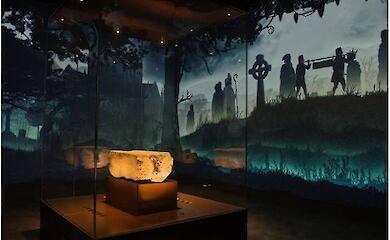
Lost fragments of the Stone of Destiny have helped uncover the secret history of a British relic


Ukrainian artist received an award at the XV Florence Biennale 2025
Popular news
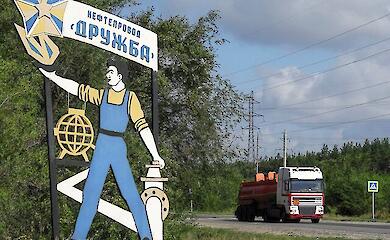
Orban announces "results" of Hungarian mission on Druzhba oil pipeline


Will maternity leave be shortened in Ukraine? Changes for workers with children

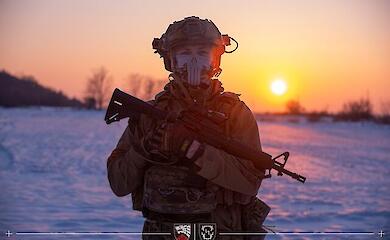
Zelensky said that Russia was preparing a new offensive and pointed out the direction of it

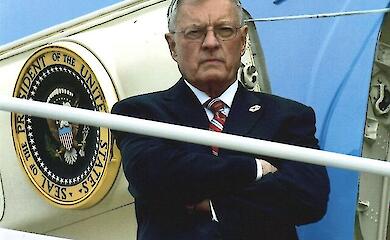
Kellogg named the ceasefire condition today and compared Putin to Nicholas II
News about war
Orban announces "results" of Hungarian mission on Druzhba oil pipeline
Kellogg named the ceasefire condition today and compared Putin to Nicholas II
Zelensky said that Russia was preparing a new offensive and pointed out the direction of it
Russia is destroying Ukraine twice as fast as at the start of the war - international report