
A jaguar in Brazil set a record with a swim of almost two kilometres


Scientists from Brazil recorded a unique event: a jaguar managed to swim over a kilometre and reached an isolated island in the reservoir zone of the Serra da Mesa hydroelectric plant in the state of Goiás.
Previously, it was believed that such barriers were impassable for large predators.
The animal was first captured by a camera trap on the mainland back in 2020, and was recently recorded on an island 2.48 kilometres from that point. A comparison of the unique pattern of spots confirmed that we are talking about the same jaguar.
Scientists have calculated possible routes. Either the animal swam 2.48 kilometres directly or used an intermediate small island, which required two swims: first 1.06 kilometres, then another 1.27 kilometres. Even the minimum distance was a record: previously, the maximum recorded swimming distance for jaguars was about 200 metres.
This discovery, presented in a bioRxiv preprint, showed: reservoirs are not always absolute barriers for large predators. Rare cases of water crossings are possible under favourable conditions - warm water, low currents and the presence of "stepped" islands.
To assess such crossings, the researchers proposed a new scale of 'water costs': low (up to 300 m), medium (300-1000 m with islands) and high (over 1000 m of open water). This approach could be used in future assessments of hydropower impacts on biodiversity.
The authors emphasise that jaguars, like other large carnivores, need the ability to migrate to maintain the gene pool and rebuild populations. The species has already lost about 50 per cent of its range due to habitat destruction and landscape fragmentation.
Maria Grynevych, project manager, journalist, co-author of Guidebook Sacred Mountains of the Dnieper Region, Lecture Course: Cult Topography of the Middle Dnieper Region.
Related news

Scientists have discovered how snakes lived during the age of the dinosaurs




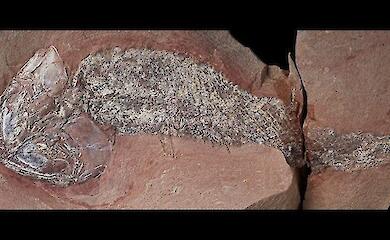
A new species of armoured fish, dating back 254 million years, has been discovered in Brazil
Popular news

Ukrainian security services have been recognised as among the best intelligence services in Europe – L'Express


Irina Levchenko, the abducted Ukrainian journalist, has been transferred to the Donetsk remand centre: what is known


Scientists have put forward an explanation as to why there were no tiny dinosaurs

How to cook sweetcorn properly so that it’s juicy and sweet: the best method revealed
News about war

The UN has reported a sharp rise in the number of Ukrainian civilians killed as a result of the war


3 July has been declared a day of mourning in Kyiv. The number of dead and injured is rising