


A 12,000-year-old figurine of a woman with a goose has been found in Israel


In northern Israel, archaeologists have discovered a unique clay figurine, some 12,000 years old, depicting a woman and a goose.
According to the research team, it is the earliest known figurine showing human-animal interaction and the first naturalistic depiction of a woman in Southwest Asia.
The find was made at the Late Nakhal Ein Gev II (NEG II) settlement of Nahal Ein Gev, located on a hill overlooking the Sea of Galilee. The project is led by Professor Leore Grosman from the Institute of Archaeology at the Hebrew University of Jerusalem, together with Professor Natalie Monroe.
The miniature figurine is only 3.7 cm high and is moulded from local clay and fired at around 400 °C, indicating the deliberate use of early pyrotechnic techniques. Microscopic and chemical analyses showed traces of red pigment (ochre) on both the female figure and the goose, as well as a preserved fingerprint - most likely belonging to a young adult female master.
The sculptor used the play of light and shadow to create depth and perspective, a technique that would only fully spread in Neolithic art. The woman is depicted in a bent pose, beneath a goose perched on her back. The goose, well known as part of the Natufian diet, here looks not like prey, but a living creature entering into a special interaction with man.
Researchers believe that the composition reflects not a domestic scene, but a mythological or ritual episode consistent with animistic ideas - a worldview in which humans and animals are perceived as spiritually interconnected.

The figurine was found in the fill of a semicircular stone structure with burials and ritual objects belonging to the Late Natufian phase of the NEG II settlement. The Natufian culture, which existed approximately 15,000-11,500 years ago, is considered a transitional phase from nomadic gathering to a sedentary lifestyle.
Excavated material confirms the special role of geese in the life of those communities. Their feathers were used for jewellery and individual bones were turned into ornaments. According to the authors of the paper, the focus on images of women and geese suggests the formation of an early mythological imagination and symbolic language that would later blossom into Neolithic cults and figurative traditions throughout the region.
"This discovery is truly unique for several reasons," notes the study's lead author Dr Laurent Davin. - Not only do we have before us the world's earliest figurine depicting human-animal interaction, but also the earliest naturalistic depiction of a woman found in Southwest Asia."
According to Professor Grosman, the figurine from Nahal Ein Gev II reflects a turning point: it bridges the world of mobile hunter-gatherers and the first settled communities, showing how imagination and symbolic thinking begin to shape human culture.
An independent researcher, interested in archaeology and sacred geography. He researches them and writes about them.
Related news
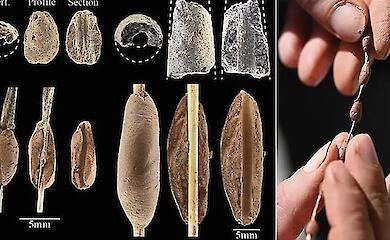
Archaeologists have found children's fingerprints in 15,000-year-old clay

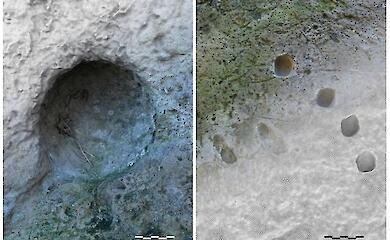
Traces of an "ancient machine gun" have been found in Pompeii



Popular news

Orban announces "results" of Hungarian mission on Druzhba oil pipeline


Will maternity leave be shortened in Ukraine? Changes for workers with children


Zelensky said that Russia was preparing a new offensive and pointed out the direction of it


Kellogg named the ceasefire condition today and compared Putin to Nicholas II

News about war
Orban announces "results" of Hungarian mission on Druzhba oil pipeline
Kellogg named the ceasefire condition today and compared Putin to Nicholas II
Zelensky said that Russia was preparing a new offensive and pointed out the direction of it

Russia is destroying Ukraine twice as fast as at the start of the war - international report