


5 reasons that hinder weight loss and what to do about it
- Home
- Life
- Healthy lifestyle
- 5 reasons that hinder weight loss and what to do about it


It happens that in order to lose weight a person goes to a nutritionist, chooses a weight loss strategy, has great motivation and makes every effort, but there is no result. The situation is unpleasant. Therefore, let's try to understand why the body does not want to shed excess weight under any circumstances and how to fight it.
At the beginning, let's note that overweight is not always a lack of willpower, there are many factors beyond a person's control that contribute to obesity. But there are also controllable ones. Today we'll look at the top 5 defining causes that can exacerbate weight loss, as well as ways to overcome these problems.
Reason #1. Diet
It is known that the biggest factor in weight gain is consuming more calories than a person burns through activity. Therefore, even by reducing the number of calories, a person may not lose weight due to lack of physical activity.
It should also be remembered that on a diet one should pay attention to such little things as salad dressing, portion size and doctor's recommendations on the type of meat and fish. After all, they can have a significant impact on the overall calorie content of a serving. And even if your diet does not include a ban on alcohol, you should limit its consumption, because alcohol contributes to weight gain due to its high calorie content.
Reason #2. Lack of physical activity
A sedentary lifestyle can also be a reason that is not conducive to weight loss, to say the least. The World Health Organisation recommends devoting at least 60 minutes a day to moderate physical activity. Doctors recommend intensive exercise 2 times a week, 50-60 minutes each. It can be either strength training, yoga or stretching.
Reason #3. Genetics
Obesity has a strong genetic component, so children of obese parents are much more likely to be obese than children of thin parents. However, this doesn't mean all is lost and your weight will never meet your dreams. People who are genetically predisposed to being overweight should remember that the process of losing weight can be a long one. You should mentally prepare for this and not set unrealistic goals.
Reason #4. Medical conditions and medications
Certain medical conditions, such as underactive or decreased function, thyroid, Cushing's syndrome and polycystic ovarian syndrome can contribute to overweight and obesity. Certain medications such as antidepressants, drugs that affect the appetite centre in the brain, diabetes drugs or steroids that can retain fluid and increase appetite, and psychotropic drugs (neuroleptics) can also inhibit weight loss as a side effect.
A number of hormones and hormonal disorders can also interfere with weight loss, among them:
- thyroid hormones: T3, T4.
- pancreatic hormone: insulin, one of whose functions is to regulate the content and storage of fat to fat cells. To reduce insulin levels, reduce your intake of simple or refined carbohydrates while increasing your fibre intake and be sure to see your doctor.
- Leptin is a satiety hormone involved in regulating the balance between food intake and energy utilisation. It is produced by fat cells and its blood levels increase with higher fat mass. When working properly, leptin should signal to your brain how high your fat stores are. The problem is that in most obese people, leptin doesn't perform its function properly because it can't cross the blood-brain barrier. This condition is called leptin resistance.
- Progesterone is an important female sex hormone that affects the menstrual cycle and pregnancy. It is important that its levels in a woman's body are balanced, otherwise depression and weight gain can occur. A decrease in progesterone levels is affected by taking birth control pills, stress and menopause.
It is also important to remember that as people age, they lose muscle mass and their metabolism slows down, which together can lead to weight loss problems.
Reason #5. Stress, emotional factors and poor sleep
The most pressing cause today that provokes weight gain and prevents weight loss is stress, or rather the increase in the level of the hormone cortisol caused by stress. That is why cortisol, produced in the adrenal glands, is also called a stress hormone. And the increase in cortisol levels causes visceral fat accumulation in the abdominal area. By the way, the connection between cortisol and visceral belly fat is the reason why even with the strictest diet it is very difficult to get the desired result on the scales.
Poor sleep, or lack of it, also leads to a disruption in the hormones that regulate appetite and metabolism, which is not conducive to weight loss.
Conclusion
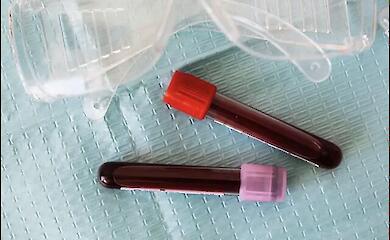
It is impossible to force the body to lose weight, but you can, having analysed the above reasons, reduce stress factors, spend more time in movement, adjust your diet and, of course, check your hormonal background by doing all the necessary tests.
The material was prepared in partnership with Sinevo Laboratory.

According to the new recommendations of the European Society of Endocrinology, obese patients should have their thyroid function checked regularly, thyroid screening is recommended, as hypothyroidism can stimulate weight gain and increase the development of comorbidities. The following types of analyses are available at Sinevo European Laboratory Network to enable the doctor to assess thyroid health:
- 1004. Thyroid hormone (TSH);
- 1007. Triiodothyronine free (T3 free);
- 1005. Thyroxine free (T4 free);
Also, as noted above, overweight people are at higher risk for insulin resistance. This risk is further increased with a family history of type 2 diabetes, being over 45 years of age, smoking, taking certain medications, and other factors. To date, the gold standard for diagnosing insulin resistance (IR) is the euglycaemic hyperinsulinaemic klemp (EGC, klemp test). Blood glucose study, glucose tolerance test, glycated haemoglobin A1C (HbA1c) and other indicators are used to detect IR.
Sinevo laboratory offer:
- 1166. Package #170 (HOMA Index);
- 1079. Glucose (serum)
- 1080. Glycated haemoglobin (HbA1c)
- 1072. Triglycerides;
- 1074. High-density lipoproteins (HDL, HDL);
The following tests will need to be taken to assess the impact of stress and emotional factors, and the following Endocrine Society (ES) guidelines should be considered when taking these tests:
- 1134. Packet #15 (Free Testosterone Index);
- 2214. Cortisol (saliva);
- 1010. Progesterone.
After taking the tests, you should visit a doctor, get treatment recommendations and finally, successfully lose weight without disappointment.
Mykola Potyka has a wide range of knowledge and skills in several fields. Mykola writes interestingly about things that interest him.
Related news

'If you have kidney stones, you need to drink more water'. Scientists have tested a well-known myth




Popular news
Orban announces "results" of Hungarian mission on Druzhba oil pipeline

Will maternity leave be shortened in Ukraine? Changes for workers with children


Zelensky said that Russia was preparing a new offensive and pointed out the direction of it

Kellogg named the ceasefire condition today and compared Putin to Nicholas II

News about war
Orban announces "results" of Hungarian mission on Druzhba oil pipeline
Kellogg named the ceasefire condition today and compared Putin to Nicholas II
Zelensky said that Russia was preparing a new offensive and pointed out the direction of it

Russia is destroying Ukraine twice as fast as at the start of the war - international report