

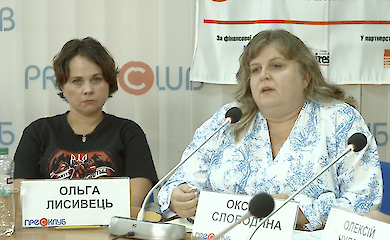
Young people are not going into medicine: doctors have warned of a staff shortage
- Home
- Society
- Health care
- Young people are not going into medicine: doctors have warned of a staff shortage


The Ukrainian healthcare sector is already facing a staff shortage, and in a few years’ time the situation could become critical.
This was stated by participants at the round-table discussion entitled ‘Ukrainian Healthcare: Realities, Challenges and Ways to Overcome the Crisis through Social Dialogue’.
According to Oksana Slobodyana, chair of the board of the organisation ‘Medical Movement “Be Like Us”’, the medical community had warned of this problem several years ago, but it has now become a reality.
Ms Slobodyana noted that there is currently a sharp decline in the number of applicants to medical colleges and universities.
“We said back in 2023 that a staffing crisis would hit in 2028. But it has already arrived. If the situation does not change, in a few years’ time there will be a catastrophic shortage of emergency care workers and specialist doctors,” she emphasised.
Slobodyana also noted the reluctance of young professionals to work in state hospitals.
For her part, Olga Lisivets, a nurse and head of an independent trade union, pointed out that the younger generation of medical professionals are more outspoken and find it much easier to demand decent treatment and working conditions. At the same time, there are too few of them to turn the situation around.
Unfortunately, there are very few of them. There are simply no nurses aged 20 or over. And if they do join, they only last a month or two before, unfortunately, resigning to seek alternatives in private practices,” she noted.
Sotsportal previously reported that Ukrainian medical staff working in areas of potential or active hostilities are entitled to higher pay. However, the figures set out in the government decree remain merely on paper unless the administration of healthcare institutions shows goodwill. The government decree on additional payments must be incorporated into the collective agreement. Otherwise, those working ‘near the front line’ will not be fully guaranteed these payments. However, in many cases, staff – particularly middle and junior staff – have little influence over the drafting of this document or are not even aware of its existence.
Subscribe to our YouTube channel so you don’t miss new videos on pressing social issues. Read related news in the ‘Social Affairs’ section on Socportal. Join the “What’s Up with Social Affairs?” channel on Viber or Telegram, and follow our public pages on Facebook and Instagram. Got a specific question? Get in touch with SocGPT!
Expert on women's rights, persons with disabilities, motherhood in the modern context, health care reform, education and social welfare.
Related news
The ambulance cannot come due to shelling: 8 steps for the patient

Copper against drug-resistant bacteria: scientists are studying the body’s defences

Breakfast may affect how the liver processes sugar after lunch — a study on dogs


The paramedic cockroach: scientists have created a living cyborg with a remote-controlled injector
Popular news

Scientists have identified which childhood experiences are linked to happiness in adulthood
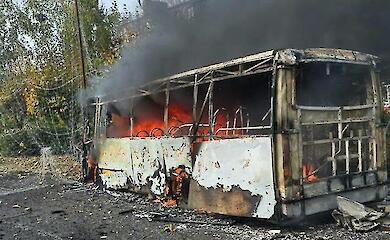
Russian forces struck a public bus in Kramatorsk: 30 dead and 18 injured

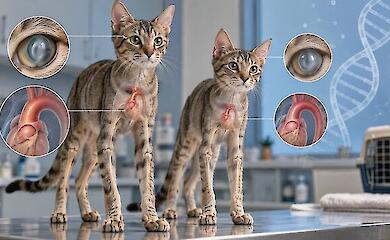
Marfan syndrome has been confirmed at the molecular level in domestic cats for the first time
A Russian drone struck the South Bridge in Kyiv: metro services have been suspended
News about war
Russia is plotting to assassinate the heads of European defence firms in order to undermine support for Ukraine — FT
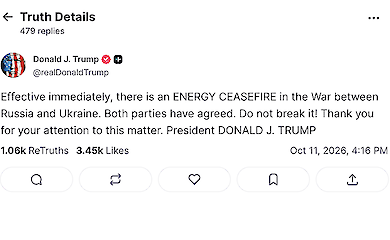
Trump announced an energy truce between Ukraine and Russia. A similar statement was made a month ago
Russian forces struck a public bus in Kramatorsk: 30 dead and 18 injured
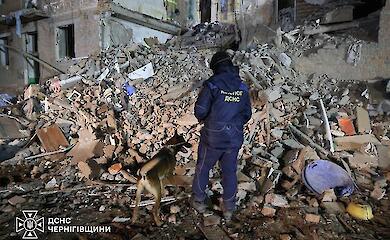
The death toll in Pryluky following the Russian missile strike has now risen to 22, including five children