
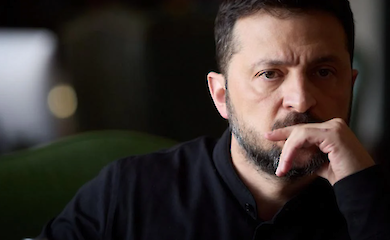

Ukraine may join the EU sooner: the European Union is preparing a significant change


The European Commission is considering a move from unanimity to qualified majority voting at certain stages of EU enlargement. At the same time, Brussels wishes to tighten its control over new member states and introduce a lengthy probationary period for them.
The European Commission is preparing a far-reaching reform of the EU’s decision-making rules, which could significantly simplify the process of EU enlargement and speed up the accession of new countries, in particular Ukraine. Brussels is considering the possibility of gradually phasing out the requirement for unanimity on certain issues, so that a few states cannot block a candidate country’s progress. This is reported by Rapporteur.
According to the publication, European Commission President Ursula von der Leyen may present a plan to this effect as early as next week. The main aim of the initiative is to prepare the EU for enlargement to more than 30 member states without amending the Treaty of Lisbon.
How the rules are to be changed
According to draft internal documents from the European Commission, it is proposed that transitional provisions in the EU treaties be used for certain stages of the accession process. These would allow for qualified majority voting to replace unanimous voting. The proposed threshold is at least 15 member states representing two-thirds of the EU’s population.
The Commission explains the need for reform by pointing out that, following the Union’s enlargement, the risk of decisions being blocked will only increase. At present, individual countries can halt important decisions by exercising their right of veto.
This is precisely what could be significant for candidate countries, including Ukraine, Montenegro and North Macedonia, which face the risk of being blocked by individual EU members, the publication notes.
However, there are no plans to completely abolish the national veto. The draft provides for a kind of ‘emergency brake’ – a state will be able to request special consideration of an issue if it considers that its vital national interests are at stake.
New members may be subject to enhanced scrutiny
At the same time, the European Commission is proposing to tighten oversight of countries following their accession to the EU. Under the proposals, new member states may be subject to a probationary period lasting ten years or even longer. During this time, Brussels will be able to apply additional control mechanisms and sanctions if a country deviates from the EU’s democratic and judicial standards.
Possible measures include the temporary suspension of voting rights and financial sanctions. New members may also be required to give a legal undertaking not to block decisions taken by other EU Member States. Furthermore, it is proposed to extend the financial safeguards allowing the European Commission to suspend or restrict funding in the event of serious breaches of the rule of law, the rapporteur explains.
Not everyone in the EU will welcome the reform
The initiative may already provoke resistance within the European Union itself. Concerns relate primarily to the possible loss of the national right of veto.
Another contentious point will be the proposal to change the principle governing the composition of the European Commission: only around two-thirds of Member States would be able to appoint a Commissioner. With the current 27 Member States, this would mean that nine countries would not have a representative on the Commission. For smaller EU countries, such an approach could prove particularly sensitive, as they fear a further decline in their influence in Brussels, the publication notes.
The draft also stipulates that new members must join the European Public Prosecutor’s Office, which investigates fraud involving EU budget funds, before they join the Union.
If the proposed changes are agreed, the EU enlargement process could become less vulnerable to being blocked by one or more countries. This has the potential to accelerate Ukraine’s progress towards membership.
Elena Rasenko writes about science, healthy living and psychology news, and shares her work-life balance tips and tricks.
Related news
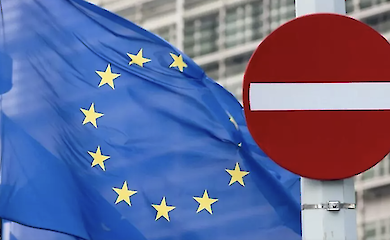
Russia is plotting to assassinate the heads of European defence firms in order to undermine support for Ukraine — FT


Germany proposes speeding up Ukraine’s accession to the EU through the associate membership scheme


The EU has responded to Russia’s threats against foreign diplomats in Kyiv
Popular news

Scientists have identified which childhood experiences are linked to happiness in adulthood


Russian forces struck a public bus in Kramatorsk: 30 dead and 18 injured


Marfan syndrome has been confirmed at the molecular level in domestic cats for the first time

A Russian drone struck the South Bridge in Kyiv: metro services have been suspended
News about war
Russia is plotting to assassinate the heads of European defence firms in order to undermine support for Ukraine — FT
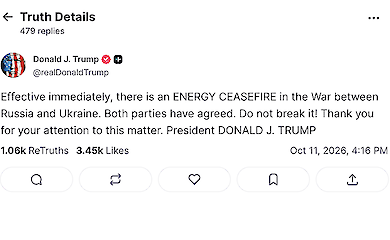
Trump announced an energy truce between Ukraine and Russia. A similar statement was made a month ago
Russian forces struck a public bus in Kramatorsk: 30 dead and 18 injured

The death toll in Pryluky following the Russian missile strike has now risen to 22, including five children