


Trump has signed a bill imposing new sanctions on Russia


The law extends sanctions against Russian officials, companies and the ‘shadow fleet’, and also provides for the possibility of imposing duties of up to 100 per cent on certain countries. The US administration must now determine exactly how to exercise these new powers.
US President Donald Trump has signed into law H.R. 5334, which expands sanctions against Russia and grants the White House additional powers to impose high tariffs on countries that continue to purchase Russian energy resources. The bill also extends existing sanctions against Iran, according to the White House website.
Trump signed the bill, officially titled the Lindsey O. Graham Sanctioning Russia and Iran Act of 2026, on 18 September. It is named in honour of the late Senator Lindsey Graham, who was one of the bill’s sponsors. The White House has confirmed that the legislation has come into force.
The bill, which the media dubbed a ‘hellish sanctions’ package, passed through both houses of Congress. In the House of Representatives , it was supported by 262 members of Congress, with 159 voting against. Earlier, the Senate had approved the bill by 86 votes to 11.
What the new law provides for
The legislation expands the US’s sanctions toolkit against Russia. Russian officials and senior leaders, financial and energy companies, individuals involved in circumventing sanctions, as well as vessels belonging to Russia’s ‘shadow fleet’ used to transport energy resources, may be subject to restrictions.
A separate section concerns countries that continue to purchase Russian oil and gas.
The US President is granted the power to impose tariffs of up to 100 per cent on goods from countries that are among the largest buyers of Russian energy resources or that assist in circumventing US sanctions. However, the law provides for the possibility of exemptions in certain cases.
Thus, the mechanism is designed not only to target Russian companies directly, but also states and entities that continue to conduct energy business with Russia.
The largest buyers of Russian oil could be hit
Particular attention is drawn to the provision on secondary measures. Among the countries potentially affected are China and India, which remain major buyers of Russian oil.
However, this does not mean that 100 per cent tariffs will be automatically imposed as soon as the law is signed. The legislation grants Trump the relevant powers, whilst specific decisions on the application of tariffs are taken by the administration.
The law also allows the President to grant exemptions, including in the interests of US national security. This gives the White House considerable discretion in determining against which countries and to what extent the measures should be applied.
Why the law is important for Ukraine
The new sanctions mechanism is primarily aimed at reducing the revenue Russia derives from energy exports, as oil and gas revenues remain one of the key sources of funding for the Russian economy and military spending.
The Act also increases pressure on entities that help circumvent existing restrictions, including vessels involved in the transport of Russian oil.
For Ukraine, the significance of the bill lies in the fact that its provisions are aimed at restricting Russia’s external sources of revenue. At the same time, the actual impact will depend on exactly which measures the Trump administration decides to apply and against which countries.
In addition to the new restrictions against Russia, H.R. 5334 extends existing sanctions against Iran. This is precisely why the official title of the bill mentions both countries.
It should be noted that the mere fact of the bill’s signing does not mean that the maximum 100 per cent tariffs will be automatically imposed. The President has been given a tool that the administration can use depending on the specific country, its trade with Russia and US foreign economic interests.
Elena Rasenko writes about science, healthy living and psychology news, and shares her work-life balance tips and tricks.
Related news
Residents of Oleshky are once again not receiving humanitarian aid; some people were not even aware of the evacuation

Callas commented on Putin’s invitation to the G20 summit in the US

Trump called those who urged him to impose sanctions on Russia "foolish"
Russia has attacked a railway station in Dnipro: many people have been killed and injured

Popular news
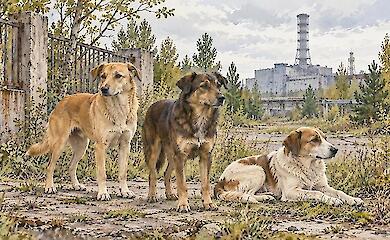
Genetic evidence of natural selection has been found in dogs near the Chernobyl Nuclear Power Station

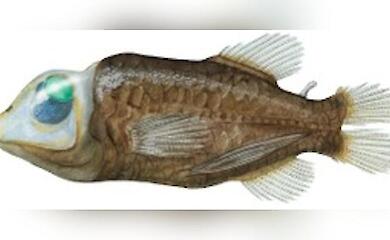
A fish with a transparent head was filmed in 4K at a depth of 600 metres
News about war
Russia is threatening to destroy bridges, ports and power stations in Ukraine in order to secure territorial concessions from Kyiv – FT
Emergency power cuts have been introduced in Kyiv and warming centres are being set up — Klitschko

Zelenskyy confirmed that the Russian warning system had been hacked: Ukraine has responded to the Russian Federation’s cyberattack

Stephen Hubbard has returned to the US after four years in prison in Russia: what is known about his case
