
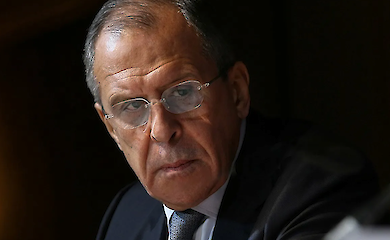
Trump called those who urged him to impose sanctions on Russia "foolish"


Hubbard spent several years in prison in Russia following his arrest in Ukraine in 2022 and returned to the US on 21 October 2026. Trump’s statement came against the backdrop of debates in Congress over the application of the sanctions bill against Russia, which the president signed in September.
US President Donald Trump has spoken out sharply against those who have called on him to step up sanctions pressure on Russia. He said that imposing new restrictions whilst negotiations were under way for the release of the American Steven Hubbard would be a mistake. Trump also stated that people in Russia were laughing at the sanctions.
‘Some foolish people wanted me to impose sanctions on Russia,’ said the US President whilst speaking to journalists at the White House. The meeting was broadcast by the US government.
Trump explained his position by saying that Washington was, at that time, seeking Hubbard’s release. In his view, conducting negotiations with Moscow whilst simultaneously imposing new restrictions would have appeared contradictory.
The President suggested imagining a scenario in which he asks Russian leader Vladimir Putin to release the American, whilst at the same time imposing sanctions on Russia. According to Trump, such a move could have derailed the negotiations.
During the conversation, Hubbard remarked that the Russians were laughing at the sanctions. Trump picked up on this and said to those present: “Did you hear that? They’re laughing at the sanctions.”
Who is Stephen Hubbard?
Stephen Hubbard, aged 74, is a former teacher from the US state of Michigan. In April 2022, the Russian military detained him in Ukraine. Later, a Russian court found the American guilty of mercenary activity, claiming that he had fought on the side of Ukraine. The US authorities considered his detention to be unlawful.
Hubbard was released on 21 October 2026. His return was the result of negotiations involving the US side. Trump is using this case as an argument that sanctions during the negotiation process may have hindered his release.
Why Trump was urged to tighten sanctions against Russia
In September 2026, the US Congress passed the Lindsey O. Graham Sanctioning Russia and Iran Act of 2026. Donald Trump signed it into law on 18 September. The legislation provides for the expansion of sanctions against Russia and the possibility of imposing duties on goods from the Russian Federation, as well as additional duties against countries that continue to purchase Russian energy resources.
In October, the administration’s decision drew criticism from some US lawmakers. On 14 October, a group of senators sent a letter to Trump demanding that he revoke the authorisation for transactions involving Russian diesel fuel and begin to fully implement the Act. Later, members of Congress from both parties joined these calls.
However, on 16 October, Trump signed an executive order implementing the law, whilst at the same time exercising the right provided for therein to temporarily waive the application of a number of sanctions provisions, restrictions and duties. This decision allowed the administration to retain the flexibility to apply the measures provided for by the law.

Elena Rasenko writes about science, healthy living and psychology news, and shares her work-life balance tips and tricks.
Related news
Residents of Oleshky are once again not receiving humanitarian aid; some people were not even aware of the evacuation

Callas commented on Putin’s invitation to the G20 summit in the US


The US may scale back intelligence-sharing with Germany: what has caused the tension
Popular news
Genetic evidence of natural selection has been found in dogs near the Chernobyl Nuclear Power Station

A fish with a transparent head was filmed in 4K at a depth of 600 metres
News about war
Russia is threatening to destroy bridges, ports and power stations in Ukraine in order to secure territorial concessions from Kyiv – FT
Emergency power cuts have been introduced in Kyiv and warming centres are being set up — Klitschko

Zelenskyy confirmed that the Russian warning system had been hacked: Ukraine has responded to the Russian Federation’s cyberattack
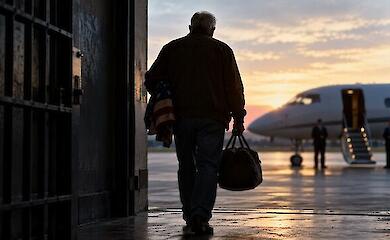
Stephen Hubbard has returned to the US after four years in prison in Russia: what is known about his case
