


Ancient bones from Spain have revealed various forms of cannibalism


Researchers have compared human remains from three caves in southern Spain. Traces of bone processing and dating evidence point to different instances of cannibalism, the causes of which remain a matter of debate.
Cannibalism in the Neolithic period in southern Spain may have occurred under various circumstances. An international team led by Palmira Saladié of the IPHES-CERCA institute has re-examined nearly a thousand human bones and teeth from three caves near Granada. The marks on the remains are consistent with cannibalism, but do not allow the causes to be definitively established.
Details
The researchers examined the bones under a microscope, identifying cuts, fractures and bite marks. The age of the individuals was estimated based on their teeth and skeletal development, whilst individual samples were radiocarbon-dated. The analysis revealed signs of butchering, bone marrow extraction and processing consistent with cooking.
Malalmuerzo. The dates fall mainly within the range of 5300–4950 BC. Damage to the skulls caused by a blunt object and the remains of people of various ages are consistent with the hypothesis of a brief episode of violence. However, this does not prove a specific scenario for the group’s demise.
Carigüela. The finds indicate that the bodies were repeatedly processed at different periods during the Neolithic. Two skulls were fashioned into vessels — so-called ‘skull bowls’. This does not mean that researchers have established exactly what purpose they served.
Majolicas. The remains date to approximately 3950–3760 BC. The red colouring of the bones, likely associated with cinnabar, provides grounds for discussing the ritual or funerary significance of these practices.
Why this is important
Similar damage to skeletal remains may reflect different practices. This study demonstrates the importance of correlating marks on bones with dates and the circumstances of their discovery, as well as the value of re-examining older archaeological collections.
The conclusions are limited to three sites and the dating of only a portion of the remains. One of the dates from Cariguela is significantly older than the others and is difficult to interpret. Any link to violence or rituals remains a hypothesis; the authors have not identified a single cause for all the incidents.
The study was supported by the Spanish Ministry of Science, Innovation and Universities, the AGAUR agency, the María de Maeztu programme and the Palarq Foundation.
Source
Saladié, P.; Rodríguez-Hidalgo, A.; Marginedas, F.; Solari, A.; Botella, M. C. (2026). Multiphase human cannibalism in Neolithic southern Iberia: Chronological and taphonomic evidence from Malalmuerzo, Carigüela, and Majolicas Caves. Journal of Archaeological Science, 194, 106666. Original source, DOI: 10.1016/j.jas.2026.106666.
Official IPHES press release dated 7 September 2026; Phys.org report dated 9 September 2026.
An independent researcher, interested in archaeology and sacred geography. He researches them and writes about them.
Related news
Bones from ancient dwellings have revealed evidence of violence in Scandinavia


Egypt is set to send the Fayum portraits abroad for the first time: 6 facts
Coca leaves have been found in Peru alongside sacrificed llamas
Skulls from Egyptian royal tombs have pointed to human sacrifices
Popular news
Scientists have identified which childhood experiences are linked to happiness in adulthood

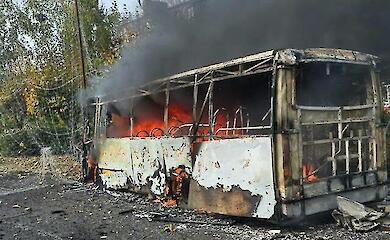
Russian forces struck a public bus in Kramatorsk: 30 dead and 18 injured


Marfan syndrome has been confirmed at the molecular level in domestic cats for the first time
A Russian drone struck the South Bridge in Kyiv: metro services have been suspended

News about war

Russia is plotting to assassinate the heads of European defence firms in order to undermine support for Ukraine — FT

Trump announced an energy truce between Ukraine and Russia. A similar statement was made a month ago
Russian forces struck a public bus in Kramatorsk: 30 dead and 18 injured
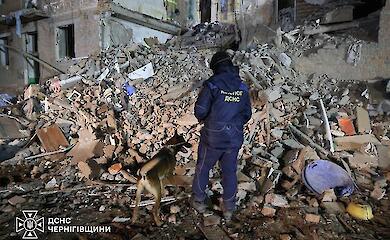
The death toll in Pryluky following the Russian missile strike has now risen to 22, including five children